When specifying or operating a 40 ton gantry crane, one of the most common – and costly – misunderstandings is confusing nominal capacity with actual working load. While a crane may be labeled as “40 tons,” that figure does not always represent the real load it can safely handle under everyday working conditions. Misinterpreting these two concepts can lead to improper crane selection, reduced service life, operational inefficiencies, or even serious safety risks.
This article explains the key differences between nominal capacity and actual working load in 40 ton gantry cranes, why the distinction matters, and how to correctly evaluate real lifting requirements in industrial applications such as steel yards, precast plants, shipyards, and infrastructure projects.
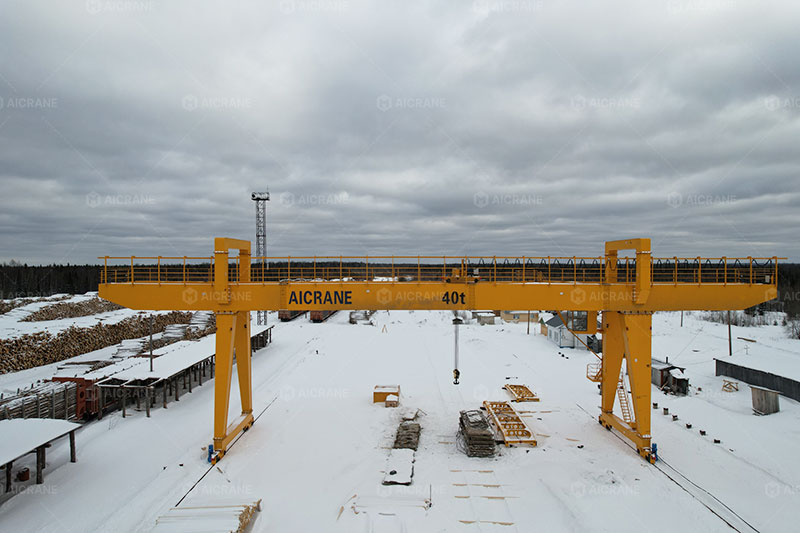
Understanding Nominal Capacity in a 40 Ton Gantry Crane
What Is Nominal Capacity?
Nominal capacity (also called rated capacity or nameplate capacity) is the maximum load a gantry crane is designed to lift under ideal conditions, as specified by the manufacturer and confirmed during factory load testing.
For a 40 ton gantry crane, the nominal capacity means:
-
The crane structure, hoisting mechanism, trolley, and drive systems are engineered to lift 40,000 kg
-
The load is evenly distributed
-
Lifting occurs at the rated lifting speed
-
The crane operates within its design parameters, including span, lifting height, and duty class
Nominal capacity is typically verified through static and dynamic load tests, often at 125% of rated load during commissioning, in compliance with international standards such as FEM, ISO, or CMAA.
Why Nominal Capacity Exists
Nominal capacity serves several important purposes:
-
Provides a standardized reference point for crane classification
-
Enables comparison between different crane models
-
Defines structural design limits
-
Serves as a legal and regulatory benchmark for inspections and certification
However, nominal capacity alone does not account for real-world operating variables, which is why actual working load often differs.
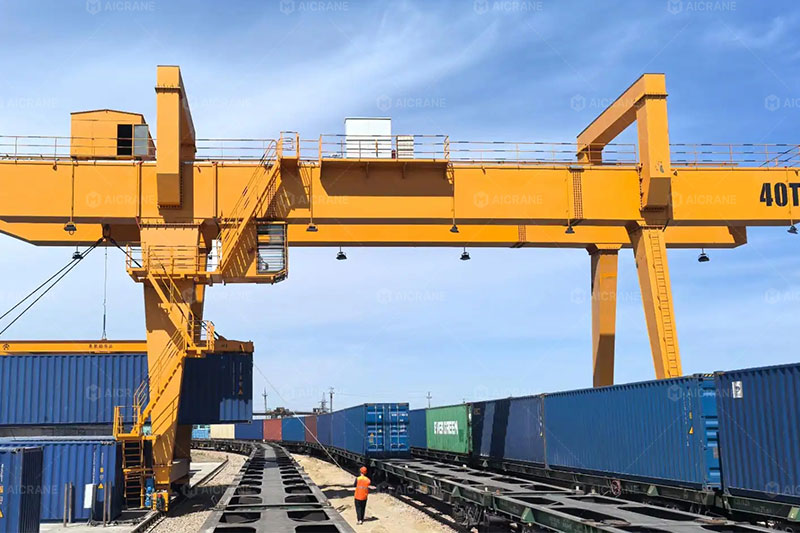
What Is Actual Working Load?
Definition of Actual Working Load
The actual working load refers to the real load imposed on the crane during normal operation, including not only the lifted object but also all additional forces and accessories involved in the lifting process.
In practice, the actual working load is almost always higher than the weight of the cargo alone.
Components That Contribute to Actual Working Load
For a 40 ton double girder gantry crane, the actual working load typically includes:
-
Weight of the lifted object
-
Steel coils, precast beams, machinery, containers, or ship components
-
-
Weight of lifting accessories
-
Hooks
-
Slings
-
Spreaders
-
Lifting beams
-
Shackles and rigging hardware
-
-
Dynamic loads
-
Acceleration and deceleration during hoisting
-
Trolley travel and crane movement
-
Load swing and impact forces
-
-
Environmental forces
-
Wind load (especially for outdoor gantry cranes)
-
Temperature effects on steel structure
-
Uneven ground or rail alignment
-
When these factors are combined, the effective load acting on the crane structure can exceed the nominal cargo weight by 10–30% or more.
Key Differences Between Nominal Capacity and Actual Working Load
1. Theoretical Rating vs. Real Operating Conditions
-
Nominal capacity is a theoretical maximum based on controlled test conditions.
-
Actual working load reflects the real stresses applied during daily operations.
For example, lifting a 38-ton precast beam with a 2.5-ton spreader beam and rigging already exceeds the nominal 40-ton limit before considering dynamic forces.
2. Static Load vs. Dynamic Load Effects
Nominal capacity primarily considers static load, while actual working load includes dynamic amplification.
Dynamic effects include:
-
Sudden starts or stops
-
Load sway due to operator input
-
Emergency braking
-
Uneven load pick-up
In a 40 ton gantry crane, dynamic load factors can increase structural stress by 15–25%, depending on operating speed and control precision.
3. Uniform Load Assumption vs. Load Distribution Reality
Nominal capacity assumes:
-
Centered load
-
Even force distribution across girders and wheels
Actual working conditions often involve:
-
Offset loads
-
Long or asymmetrical components
-
Uneven sling lengths
This can result in localized overloads on:
-
One girder
-
One end carriage
-
Specific wheels or rails
4. Design Margin vs. Operational Safety Margin
Manufacturers design cranes with safety factors, but these are not intended to compensate for continuous overloading.
-
Nominal capacity defines the absolute limit
-
Actual working load should remain comfortably below that limit to ensure:
-
Long service life
-
Stable operation
-
Reduced fatigue stress
-
Operating too close to nominal capacity on a daily basis accelerates wear on hoists, motors, brakes, and structural welds.
Why the Difference Matters for 40 Ton Gantry Crane Buyers
1. Avoiding Undersized Crane Selection
One of the most common mistakes is specifying a 40 ton gantry crane based only on cargo weight, without accounting for accessories and dynamic effects.
In many real projects:
-
A “40 ton” application actually requires a 45–50 ton crane
-
Especially in precast concrete, steel fabrication, and shipbuilding
Failing to account for actual working load can result in:
-
Frequent overload alarms
-
Restricted operating speed
-
Increased downtime
-
Safety violations
2. Compliance with Safety Standards and Inspections
Regulatory authorities and third-party inspectors focus on actual loads, not just nameplate ratings.
Repeatedly exceeding safe working limits may lead to:
-
Failed inspections
-
Insurance issues
-
Liability risks in case of accidents
Understanding the difference helps operators maintain compliance with occupational safety regulations.
3. Long-Term Structural Fatigue and Maintenance Costs
Operating a 40 ton gantry crane near its nominal capacity every day:
-
Increases fatigue cycles in girders
-
Accelerates wear on wire ropes and bearings
-
Raises maintenance frequency and cost
Designing for a lower actual working load relative to nominal capacity improves:
-
Reliability
-
Service life
-
Total cost of ownership
Typical Scenarios Where Actual Working Load Exceeds Expectations
Precast Concrete Plants
-
Heavy spreader beams
-
Long, flexible loads
-
Frequent lifting cycles
-
High dynamic effects during alignment
A 40 ton crane may effectively experience 45–48 tons of working load.
Steel Yards and Coil Handling
-
C-hooks or coil grabs add significant dead weight
-
Off-center loading is common
-
High lifting frequency increases dynamic stress
Shipyards and Marine Applications
-
Wind loads play a major role
-
Large components with high surface area
-
Outdoor operation magnifies actual working load effects
How to Properly Evaluate Actual Working Load
Step 1: Calculate Total Lifted Mass
Include:
-
Maximum cargo weight
-
Heaviest lifting accessory
-
Hook block weight
Step 2: Apply Dynamic Load Factors
Typical dynamic coefficients:
-
1.1–1.25 for standard industrial lifting
-
Higher for high-speed or precision lifting applications
Step 3: Consider Environmental Conditions
-
Wind pressure (especially for outdoor gantry cranes)
-
Temperature extremes
-
Rail or ground condition
Step 4: Consult the Crane Manufacturer Early
Experienced gantry crane suppliers can:
-
Evaluate your lifting process
-
Recommend proper capacity margins
-
Optimize crane configuration (girder type, hoist selection, control system)
Nominal Capacity vs. Actual Working Load: Summary Table
| Aspect | Nominal Capacity | Actual Working Load |
|---|---|---|
| Definition | Manufacturer-rated maximum | Real load during operation |
| Includes Accessories | No | Yes |
| Includes Dynamic Effects | Limited | Fully |
| Accounts for Environment | No | Yes |
| Used for Certification | Yes | Indirectly |
| Used for Crane Selection | Not alone | Yes |
Conclusion
For a 40 ton gantry crane, nominal capacity and actual working load are not interchangeable concepts. Nominal capacity defines what the crane can lift under ideal conditions, while actual working load reflects what the crane really experiences during daily operations.
Understanding this difference is essential for:
-
Correct crane sizing
-
Safe operation
-
Long-term reliability
-
Regulatory compliance
In many real-world applications, a project labeled as “40 tons” may require a crane with higher nominal capacity to safely accommodate accessories, dynamic forces, and environmental conditions. By evaluating actual working load carefully and working with an experienced gantry crane supplier, operators can avoid costly mistakes and ensure efficient, safe lifting throughout the crane’s service life.